
Everyone experiences anger differently, from quiet frustration to explosive bursts of emotion. Instead of simply telling readers that someone is angry, creative comparisons can bring those feelings to life through vivid and relatable imagery. Similes for mad make descriptions more expressive by comparing anger to familiar things, powerful forces, and dramatic situations. Whether you’re describing a heated argument, an irritated character, or an uncontrollable emotional reaction, the right simile can make your writing more engaging and memorable. In this guide, you’ll discover unique examples, simple meanings, and helpful tips for using these comparisons naturally in stories, poems, essays, dialogue, and everyday conversations.
Definition of Similes For Mad
Similes for mad are creative comparisons that describe anger, rage, irritation, or irrational behavior by connecting it to something familiar. They commonly use “like” or “as” to make the comparison clear.
For example, instead of writing, “He was very angry,” you could write, “He was as furious as a storm trapped inside a bottle.” This gives the reader a stronger mental image.
A simile traditionally compares two different things with words such as “like” or “as,” helping readers visualize an idea or emotion more clearly. (
What Is a Simile?
A simile is a figure of speech that compares two unlike things using words such as “like” or “as.” Writers use similes to make descriptions more vivid, emotional, memorable, and relatable. Example
- He was as angry as a volcano ready to erupt.
- Her temper snapped like a dry branch.
- He stormed into the room like thunder with a grudge.
- She glared at him as fiercely as a wolf guarding its den.
- His frustration spread through dry grass like fire.
A simile differs from a metaphor because a simile openly signals the comparison, while a metaphor directly equates one thing with another.
Why Use Similes For Mad in Writing?
- Create vivid imagery: Readers can picture anger instead of simply reading the word “mad.”
- Show emotional intensity: A comparison can reveal whether someone feels mildly irritated or completely furious.
- Make characters memorable: Distinctive comparisons can give characters stronger personalities.
- Add personality to dialogue: A clever simile can make angry speech more dramatic or humorous.
- Improve storytelling: Figurative descriptions can make emotional scenes more engaging.
- Create mood: Dark comparisons can make a scene feel threatening, while playful ones can make anger funny.
- Avoid repetition: Similes give you alternatives to repeatedly using words such as angry, furious, irritated, or enraged.
- Strengthen creative writing: Effective comparisons add color and depth without requiring lengthy explanations.
Types of Similes
Similes for mad can take several forms depending on the emotion and writing style you want to create. Some emphasize explosive rage, while others focus on irritation, unpredictable behavior, humor, or dramatic intensity.
Explosive Anger Similes
These comparisons describe anger that feels powerful, sudden, and difficult to control.
Example
- He was as furious as a volcano about to erupt.
- Her temper burst like a firecracker in a quiet room.
- His anger roared like thunder trapped beneath the earth.
- She became as heated as a furnace running without pause.
- His rage spread like flames through a dry forest.
Irritated or Frustrated Similes

These similes work better when someone feels annoyed, impatient, or increasingly frustrated rather than completely enraged.
Example
- He was as irritated as a fly trapped behind a window.
- She paced like a cat waiting for an unopened door.
- His patience was as thin as paper in the rain.
- She looked as annoyed as a chef facing a broken oven.
- He grumbled like an engine refusing to start.
Wild or Uncontrolled Similes
These comparisons emphasize unpredictable or chaotic behavior.
Example
- He rushed around like a storm without a direction.
- She moved like a spark racing through dry grass.
- He acted as wildly as a kite caught in a hurricane.
- Her temper jumped like a flame in strong wind.
- He shouted like thunder suddenly breaking the silence.
Writing Tips and Common Mistakes
Useful Tips
- Choose a comparison that matches the level of anger.
- Use familiar images so readers understand the emotion quickly.
- Pick comparisons that fit the character’s personality.
- Use natural language instead of forcing a comparison.
- Mix humorous, dramatic, poetic, and everyday similes.
- Keep the surrounding sentence simple when the simile is highly descriptive.
- Avoid using too many similes in one paragraph.
- Make sure the comparison highlights a specific quality of anger.
- Use fresh imagery instead of relying only on common expressions.
- Read the sentence aloud to check whether the simile sounds natural.
Common Mistakes to Avoid
- Using a weak comparison: “He was mad like a person.” This adds almost no useful imagery.
- Choosing an unrelated image: The comparison should connect clearly to anger, frustration, intensity, or behavior.
- Overusing clichés: Familiar phrases can work, but original comparisons often make writing more memorable.
- Mixing metaphors and similes: “He was a volcano like a storm” combines comparison styles awkwardly.
- Overexplaining: Let the image communicate the emotion instead of explaining it repeatedly.
- Ignoring context: A funny simile may weaken a serious dramatic scene.
- Forcing “like” or “as”: The comparison should sound natural rather than inserted only to create a simile.
- Repeating the same image: Using fire, storms, and volcanoes in every sentence can make your writing predictable.
30 Similes For Mad
As Furious as a Volcano Ready to Erupt
Meaning: Extremely angry and close to losing control.
Detailed Explanation: This simile compares intense anger to a volcano building pressure before an eruption. It works especially well when a character tries to remain calm but clearly cannot hold the anger back much longer.
Tone: Dramatic, powerful
Examples:
- He was as furious as a volcano ready to erupt when he saw the damage.
- Her expression looked as dangerous as a volcano ready to erupt.
- Dad stood there as furious as a volcano ready to erupt.
Like Thunder Trapped in a Bottle
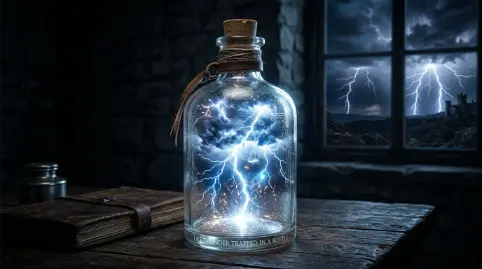
Meaning: Extremely angry but struggling to contain the emotion.
Detailed Explanation: Thunder represents loud, powerful energy, while the bottle suggests confinement. The comparison creates the image of anger building inside someone until it finally bursts out.
Tone: Poetic, dramatic
Examples:
- His anger rumbled like thunder trapped in a bottle.
- She sounded like thunder trapped in a bottle as she answered.
- He sat silently, like thunder trapped in a bottle.
As Mad as a Firecracker in a Fireplace
Meaning: Wildly angry and ready to react suddenly.
Detailed Explanation: A firecracker already carries explosive energy, while a fireplace adds heat and danger. Together, they create an exaggerated picture of someone whose temper could explode at any moment.
Tone: Humorous, energetic
Examples:
- He was as mad as a firecracker in a fireplace.
- She became as mad as a firecracker in a fireplace after hearing the news.
- The coach looked as mad as a firecracker in a fireplace.
Like a Storm Looking for a Roof
Meaning: Angry, restless, and difficult to contain.
Detailed Explanation: This comparison presents anger as a storm that has nowhere to go. It works well for characters who pace, complain, or move restlessly while trying to release their frustration.
Tone: Poetic, restless
Examples:
- He paced around like a storm looking for a roof.
- She entered the office like a storm looking for a roof.
- His frustration moved through the room like a storm looking for a roof.
As Hot as a Furnace with No Off Switch
Meaning: Extremely heated or furious.
Detailed Explanation: A furnace produces intense heat, and removing its off switch suggests that the anger will not cool down easily. This simile suits someone whose temper continues to grow.
Tone: Dramatic, vivid
Examples:
- He was as hot as a furnace with no off switch.
- Her temper became as hot as a furnace with no off switch.
- The argument left everyone as tense as a furnace with no off switch.
Like a Match Struck in a Dry Forest
Meaning: Suddenly and dangerously angry.
Detailed Explanation: A single match can ignite a dry forest, making this comparison ideal for someone whose anger starts quickly and spreads rapidly.
Tone: Intense, dramatic
Examples:
- His temper flared like a match struck in a dry forest.
- She became angry like a match struck in a dry forest.
- One careless comment set him off like a match struck in a dry forest.
As Restless as a Caged Thunderstorm
Meaning: Unable to remain calm because of intense anger.
Detailed Explanation: A thunderstorm naturally represents movement, noise, and power. Imagining one trapped in a cage makes the emotion feel even more restless and confined.
Tone: Creative, dramatic
Examples:
- He was as restless as a caged thunderstorm.
- She paced the hallway as restless as a caged thunderstorm.
- His thoughts were as restless as a caged thunderstorm.
Like a Kettle Screaming on the Stove
Meaning: Extremely irritated and close to exploding emotionally.
Detailed Explanation: A screaming kettle suggests rising pressure and noise. The comparison works well for everyday frustration that gradually reaches a breaking point.
Tone: Humorous, relatable
Examples:
- He sounded like a kettle screaming on the stove.
- She was boiling like a kettle screaming on the stove.
- His frustration whistled like a kettle screaming on the stove.
As Fierce as a Wolf Guarding Its Den
Meaning: Intensely angry and protective.
Detailed Explanation: A wolf guarding its den can become highly alert and defensive. This simile suits characters whose anger comes from protecting someone or something important.
Tone: Fierce, serious
Examples:
- She looked as fierce as a wolf guarding its den.
- He stood as fiercely as a wolf guarding its den.
- Mom became as fierce as a wolf guarding its den.
Like a Train Without Brakes
Meaning: Angry and unable to slow down emotionally.
Detailed Explanation: A train without brakes suggests unstoppable movement. This comparison describes someone whose anger continues to build even when they should stop and calm down.
Tone: Dramatic, energetic
Examples:
- His anger charged forward like a train without brakes.
- She argued like a train without brakes.
- His frustration became like a train without brakes.
As Sharp as a Thorn in a Tight Shoe
Meaning: Irritated, uncomfortable, and difficult to ignore.
Detailed Explanation: A thorn inside a shoe causes constant discomfort. This simile works particularly well for small annoyances that gradually make someone increasingly angry.
Tone: Humorous, relatable
Examples:
- He was as irritated as a thorn in a tight shoe.
- The delay felt as annoying as a thorn in a tight shoe.
- Her frustration stayed as sharp as a thorn in a tight shoe.
Like Fire Racing Through Dry Grass

Meaning: Anger that spreads quickly.
Detailed Explanation: Fire can move rapidly through dry grass, making this comparison useful when one small problem quickly becomes a much bigger emotional reaction.
Tone: Dramatic, vivid
Examples:
- His anger spread like fire racing through dry grass.
- Her frustration moved through the team like fire racing through dry grass.
- The argument grew like fire racing through dry grass.
As Tense as a Bow Pulled to Its Limit
Meaning: Extremely tense and close to breaking.
Detailed Explanation: A bow pulled to its limit holds enormous tension. The comparison suggests that the person has reached the edge of their patience.
Tone: Serious, dramatic
Examples:
- He stood as tense as a bow pulled to its limit.
- Her patience was as tense as a bow pulled to its limit.
- The room felt as tense as a bow pulled to its limit.
Like a Hornet in a Jar
Meaning: Extremely agitated and unable to settle down.
Detailed Explanation: A trapped hornet constantly buzzes and searches for an escape. This creates a lively image for someone who feels irritated, trapped, or restless.
Tone: Humorous, energetic
Examples:
- He buzzed around like a hornet in a jar.
- She was as restless as a hornet in a jar.
- His frustration made him move like a hornet in a jar.
As Stormy as a Sky Before Lightning
Meaning: Moody, angry, and close to an emotional outburst.
Detailed Explanation: A dark sky before lightning creates a sense of tension and danger. This simile works well when a character has not exploded yet but clearly looks angry.
Tone: Poetic, ominous
Examples:
- His face was as stormy as a sky before lightning.
- She looked as stormy as a sky before lightning.
- His mood turned as stormy as a sky before lightning.
Like a Lion Pacing Before a Hunt
Meaning: Restless, intense, and ready to confront a problem.
Detailed Explanation: A pacing lion suggests controlled strength and anticipation. It works especially well for characters who feel angry but have not yet acted.
Tone: Powerful, dramatic
Examples:
- He paced like a lion before a hunt.
- She moved around the room like a lion before a hunt.
- The angry player looked like a lion before a hunt.
As Grumpy as a Bear Woken Too Early
Meaning: Irritable, annoyed, and unwilling to cooperate.
Detailed Explanation: A bear disturbed before it wants to wake up creates a playful picture of bad temper. This simile works especially well in humorous or casual writing.
Tone: Funny, lighthearted
Examples:
- He was as grumpy as a bear woken too early.
- She looked as grumpy as a bear woken too early.
- The sleepy student became as grumpy as a bear woken too early.
Like a Pressure Cooker Without a Valve
Meaning: Full of growing anger with no easy way to release it.
Detailed Explanation: A pressure cooker represents rising internal pressure. Removing the valve suggests that the emotion has nowhere to escape and may eventually burst.
Tone: Dramatic, humorous
Examples:
- He felt like a pressure cooker without a valve.
- She sat there like a pressure cooker without a valve.
- His frustration built like a pressure cooker without a valve.
As Red as a Sunset Before a Storm
Meaning: Visibly furious.
Detailed Explanation: The comparison connects a flushed, angry face with the intense colors of a dramatic sunset before bad weather.
Tone: Poetic, visual
Examples:
- His face became as red as a sunset before a storm.
- She was as red as a sunset before a storm.
- The angry customer looked as red as a sunset before a storm.
Like Sparks Jumping From a Bonfire
Meaning: Bursting with sudden anger and energy.
Detailed Explanation: Sparks leap unpredictably from a bonfire, making this a useful image for anger that appears in sudden bursts.
Tone: Energetic, vivid
Examples:
- His words flew like sparks jumping from a bonfire.
- Her temper flashed like sparks jumping from a bonfire.
- Anger jumped from him like sparks jumping from a bonfire.
As Edgy as a Knife on a Glass Table
Meaning: Extremely tense, irritable, and uncomfortable.
Detailed Explanation: The sharp image of a knife on glass creates a sense of nervous tension. It works well when someone seems ready to react to even a small disturbance.
Tone: Dramatic, tense
Examples:
- He was as edgy as a knife on a glass table.
- She sounded as edgy as a knife on a glass table.
- Everyone became as edgy as a knife on a glass table.
Like a Drum Beaten Too Hard
Meaning: Loud, intense, and overwhelmed by emotion.
Detailed Explanation: A drum beaten too hard becomes forceful and noisy. This simile describes someone whose anger makes their voice, actions, or reactions unusually intense.
Tone: Vivid, energetic
Examples:
- His voice boomed like a drum beaten too hard.
- She reacted like a drum beaten too hard.
- His anger pounded like a drum beaten too hard.
As Unpredictable as Lightning in Summer
Meaning: Quick to become angry without warning.
Detailed Explanation: Summer lightning can appear suddenly and unexpectedly. The comparison suits someone whose mood can change from calm to furious in an instant.
Tone: Dramatic, unpredictable
Examples:
- His temper was as unpredictable as lightning in summer.
- She became angry as suddenly as lightning in summer.
- His reactions were as unpredictable as lightning in summer.
Like a Wave Crashing Through a Wall
Meaning: Powerful anger that breaks through restraint.
Detailed Explanation: A wave crashing through a wall suggests force overcoming a barrier. It works well when someone finally releases anger they have been holding inside.
Tone: Powerful, dramatic
Examples:
- His rage broke loose like a wave crashing through a wall.
- Her frustration hit the room like a wave crashing through a wall.
- His anger came out like a wave crashing through a wall.
As Irritated as Sand in a Shoe
Meaning: Mild but persistent annoyance.
Detailed Explanation: Sand inside a shoe causes constant irritation even though the problem seems small. This simile works perfectly for everyday frustrations.
Tone: Relatable, humorous
Examples:
- He was as irritated as sand in a shoe.
- The delay made her as annoyed as sand in a shoe.
- His little complaints were as persistent as sand in a shoe.
Like a Tornado in a Tiny Room

Meaning: Extremely energetic, chaotic, and angry.
Detailed Explanation: A tornado already represents destructive movement, while a tiny room makes that energy feel even more overwhelming.
Tone: Chaotic, humorous
Examples:
- He stormed around like a tornado in a tiny room.
- She was moving like a tornado in a tiny room.
- His anger turned him into a tornado in a tiny room.
As Boiling as a Pot Left on High
Meaning: Growing increasingly angry.
Detailed Explanation: A pot left on high heat gradually reaches a boiling point. This comparison captures anger that builds over time instead of appearing instantly.
Tone: Simple, relatable
Examples:
- He was as boiling as a pot left on high.
- Her temper grew as boiling as a pot left on high.
- He sat quietly, but he was boiling like a pot left on high.
Like a Door Slamming in a Hurricane
Meaning: Loudly and forcefully angry.
Detailed Explanation: A slamming door already creates a strong sound, while a hurricane adds chaos and force. This creates a dramatic picture of explosive anger.
Tone: Dramatic, powerful
Examples:
- His voice crashed like a door slamming in a hurricane.
- Her response was like a door slamming in a hurricane.
- His anger arrived like a door slamming in a hurricane.
As Touchy as a Raw Nerve
Meaning: Extremely sensitive and easy to upset.
Detailed Explanation: A raw nerve reacts strongly to even slight contact. This simile describes someone who feels irritated or angry at the smallest trigger.
Tone: Serious, vivid
Examples:
- He was as touchy as a raw nerve.
- She seemed as touchy as a raw nerve after the argument.
- The manager was as touchy as a raw nerve that morning.
Like a Fuse Burning Toward Dynamite
Meaning: Anger rapidly approaching an explosive reaction.
Detailed Explanation: A burning fuse creates suspense because everyone knows an explosion may follow. This simile works well when a character’s anger keeps increasing.
Tone: Dramatic, suspenseful
Examples:
- His patience burned like a fuse heading toward dynamite.
- She looked like a fuse burning toward dynamite.
- His anger moved like a fuse burning toward dynamite.
As Furious as Waves During a Hurricane
Meaning: Extremely powerful and uncontrollable anger.
Detailed Explanation: Hurricane waves carry enormous energy and move with destructive force. This comparison gives anger a large, overwhelming quality.
Tone: Epic, dramatic
Examples:
- He was as furious as waves during a hurricane.
- Her anger crashed as fiercely as waves during a hurricane.
- His rage felt as powerful as waves during a hurricane.
Like a Bee That Lost Its Hive
Meaning: Confused, restless, irritated, and agitated.
Detailed Explanation: A bee separated from its hive would seem frantic and unsettled. This comparison works well for someone whose anger mixes with confusion or frustration.
Tone: Humorous, playful
Examples:
- He rushed around like a bee that lost its hive.
- She sounded like a bee that lost its hive.
- His frustration made him buzz around like a bee that lost its hive.
Top 10 Similes For Mad
| Simile | Meaning | Tone |
| As Furious as a Volcano Ready to Erupt | Extremely angry and close to exploding | Dramatic |
| Like Thunder Trapped in a Bottle | Powerful anger being held inside | Poetic |
| Like a Match Struck in a Dry Forest | Anger that spreads suddenly | Intense |
| As Restless as a Caged Thunderstorm | Unable to stay calm | Dramatic |
| Like Fire Racing Through Dry Grass | Anger spreading rapidly | Vivid |
| As Tense as a Bow Pulled to Its Limit | Close to losing control | Serious |
| Like a Pressure Cooker Without a Valve | Growing anger with no release | Humorous |
| As Stormy as a Sky Before Lightning | Angry and close to an outburst | Poetic |
| Like a Fuse Burning Toward Dynamite | Rapidly approaching an explosion | Suspenseful |
| As Furious as Waves During a Hurricane | Overwhelming, uncontrollable anger | Epic |
These comparisons follow the basic function of similes: they connect an emotion or idea with a concrete image through words such as like and as, helping readers visualize and feel the description more clearly. (Literary Devices)
Conclusion
The right simile can turn ordinary descriptions of anger into vivid expressions that readers can easily imagine and connect with. Whether you want to describe mild irritation, deep frustration, sudden fury, or uncontrollable rage, creative comparisons help bring emotions to life. From fiery volcanoes to brewing storms, each expression adds a different shade of meaning and personality to your writing.
By exploring Similes For Mad, you can find fresh and memorable ways to express strong emotions without repeating the same familiar words. Use these comparisons in stories, poems, essays, conversations, and character descriptions to make your writing more natural and engaging. Choose expressions that fit your tone and situation, and let your words show the true intensity of every emotion.
FAQs
What are similes for mad?
Similes for mad are creative comparisons that describe anger, frustration, irritation, or rage using words such as “like” or “as.” They help readers visualize an emotion more clearly. For example, “He was as furious as a volcano ready to erupt” compares intense anger with a powerful natural event, making the description more vivid and memorable.
What is a good simile for being mad?
A strong simile for being mad is “as furious as a volcano ready to erupt.” It suggests powerful anger that has reached a dangerous level. Other useful choices include “like thunder trapped in a bottle” for contained anger and “like fire racing through dry grass” for anger that spreads quickly.
Why use similes for mad in writing?
Similes make descriptions of anger more vivid and specific. Instead of simply telling readers that someone feels mad, a simile shows the emotion through a familiar image. This technique can strengthen character descriptions, improve storytelling, create atmosphere, and make dialogue more expressive while helping readers understand the intensity and nature of the emotion.
What is a funny simile for mad?
A funny simile for mad is “as grumpy as a bear woken too early.” It creates a playful image without making the emotion feel overly serious. Other humorous choices include “like a hornet in a jar” or “like a kettle screaming on the stove.” These work especially well in casual stories and lighthearted dialogue.
What is a dramatic simile for anger?
A dramatic option is “like a fuse burning toward dynamite.” It suggests that anger continues building until an emotional explosion becomes likely. Another powerful choice is “as furious as waves during a hurricane.” Dramatic similes work well in fiction, poetry, action scenes, and other writing where you want readers to feel the intensity of an emotional moment.
Can similes describe mild anger?
Yes. Similes can describe mild irritation just as effectively as extreme rage. For example, “as irritated as sand in a shoe” represents a small but persistent annoyance. “As sharp as a thorn in a tight shoe” also works well for everyday frustration. Choosing a smaller, familiar image helps prevent mild anger from sounding unnecessarily dramatic.
What is a simile for someone who gets angry quickly?
“His temper was as unpredictable as lightning in summer” works well for someone who becomes angry without much warning. The comparison suggests that the emotional change happens suddenly and unexpectedly. You can also use “like a match struck in a dry forest” when you want to emphasize how quickly a small trigger causes anger to spread.
Are similes for mad suitable for students?
Yes. Similes for mad can help students understand figurative language while making their writing more descriptive. Simple comparisons such as “He was as mad as a hornet” or more creative examples such as “Her anger spread like fire through dry grass” can strengthen essays, stories, and creative assignments without requiring complicated vocabulary.
How do I choose the best simile for mad?
First, decide how strong the emotion is. Use a gentle comparison for irritation and a powerful image for rage. Then consider your audience, setting, and tone. A humorous comparison may suit a casual story, while a storm, volcano, or lightning comparison may work better in dramatic writing. Always choose the image that best matches the scene.
Can I create my own similes for mad?
Absolutely. Start by identifying the specific quality of the anger, such as heat, noise, speed, pressure, or unpredictability. Then compare that quality with something familiar. For example, if anger builds slowly, compare it with a pot coming to a boil. If it appears suddenly, compare it with lightning or a spark.

