
Watching the evening sky transform into shades of orange, pink, purple, and gold can create a truly unforgettable scene. The right comparison makes these beautiful moments even more expressive, helping readers imagine the colors, glowing light, and peaceful atmosphere of the setting sun. Whether you’re describing a breathtaking horizon, a golden evening, or a quiet moment at dusk, Similes For Sunsets can bring your words to life through vivid imagery and meaningful comparisons. In this collection, you’ll discover creative examples with simple meanings to inspire your poems, stories, essays, social media captions, and everyday writing. Each simile will help you describe sunsets in a more natural, engaging, and memorable way.
Definition of Similes For Sunsets
Similes for Sunsets are creative comparisons that describe a sunset by comparing it with another person, object, place, feeling, or natural scene. They usually use comparison words such as “like” or “as.” For example, “The sunset glowed like molten gold” compares the sunset’s golden appearance with the bright, liquid look of molten metal.
These comparisons help readers form a clearer mental picture and experience the scene rather than simply receiving a basic description. Similes are especially useful when writers want to create vivid imagery, emotion, or atmosphere.
What Is a Simile?
A simile compares two different things using words such as “like” or “as.” The comparison highlights a quality they share. Unlike a metaphor, a simile clearly signals the comparison instead of directly saying that one thing is another.
Example
- The sunset was like a golden curtain closing over the day.
- The clouds were as soft as painted cotton.
- The evening sky glowed like a bowl of warm fire.
- The sun sank like a coin slipping into the sea.
- The horizon looked as bright as a burning lantern.
A good simile does more than decorate a sentence. It gives readers a familiar image that helps them understand what the writer sees or feels. Strong comparisons work best when writers use them naturally, rather than filling every sentence with figurative language.
Why Use Similes For Sunsets in Writing?
- Create vivid imagery: A fresh comparison helps readers visualize the sunset more clearly.
- Add emotion: A sunset can feel peaceful, romantic, lonely, hopeful, mysterious, or dramatic.
- Make descriptions memorable: An original comparison can stay in the reader’s mind longer than a simple adjective.
- Show instead of simply tell: Instead of saying the sunset was beautiful, you can show what made it beautiful.
- Set the mood: Warm comparisons can create a peaceful mood, while fiery comparisons can create drama.
- Strengthen poetry: Similes give poems rhythm, imagery, and emotional depth.
- Improve storytelling: A memorable sunset description can make a scene feel more alive.
- Help readers connect: Familiar objects such as candles, jewels, paintings, and fire give readers an easy point of reference.
- Make captions more interesting: A creative sunset simile can make a short social media caption more expressive.
- Give your voice personality: Original comparisons help your writing sound less generic.
Types of Similes
There is no single official classification system for sunset similes. For practical writing, however, you can group them by the main quality they emphasize. These useful categories include appearance and color, emotion and mood, nature and movement, and artistic or imaginative imagery.
Appearance and Color Similes
These similes focus on what a sunset looks like. They work especially well when you want to describe colors such as orange, red, pink, purple, yellow, or gold.
Example
- The sunset spread across the sky like spilled orange paint.
- The clouds shimmered like sheets of rose-colored silk.
- The horizon glowed as brightly as a field of golden coins.
- The sky looked like an artist’s palette dipped in fire.
Emotional and Mood-Based Similes
These comparisons connect a sunset with a feeling. They work well in reflective stories, romantic writing, poetry, and personal essays.
Example
- The sunset felt like a quiet goodbye.
- The evening sky rested over us like a comforting blanket.
- The fading light was as gentle as a whispered farewell.
- The lonely horizon looked like an old memory returning.
Nature and Movement Similes
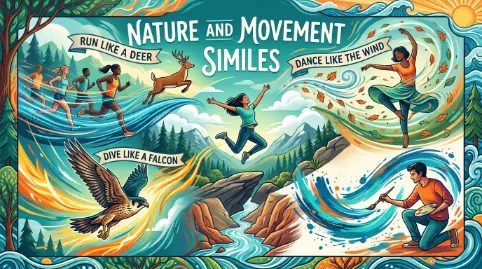
These similes compare the movement of sunlight, clouds, or colors with natural events. They can make a sunset description feel active instead of still.
Example
- The colors flowed across the sky like a river of fire.
- The sun sank like a red leaf drifting through water.
- The clouds curled around the sun like waves around a hidden island.
- Golden light spilled over the hills like honey from a jar.
Artistic and Imaginative Similes
These comparisons use creative objects, stories, or imaginative scenes. They are useful when you want your writing to sound poetic and distinctive.
Example
- The sky looked like a giant canvas painted by a dreamer.
- The sunset appeared as magical as a secret kingdom.
- The horizon glowed like the entrance to an enchanted world.
- The fading sun looked like a jewel placed on velvet.
Writing Tips and Common Mistakes
Useful Tips
- Choose a clear quality: Decide whether you want to highlight color, brightness, warmth, movement, beauty, or emotion.
- Use familiar comparisons: Readers should understand the image without struggling to decode it.
- Make the comparison specific: “Like a beautiful thing” feels weak; “like a ruby glowing beneath water” creates a stronger image.
- Match the mood: Use peaceful comparisons for calm scenes and fiery comparisons for dramatic scenes.
- Add sensory details: Think about color, warmth, light, movement, and atmosphere.
- Avoid predictable comparisons: Fresh images often make descriptions more memorable. Literary writing guidance commonly recommends original comparisons rather than overused clichés.
- Keep the sentence natural: The simile should support the description rather than interrupt it.
- Consider your audience: Simple comparisons often work best for children and beginner readers, while poetry can support more imaginative imagery.
- Read the sentence aloud: A simile should sound smooth as well as look good on the page.
- Use restraint: Too many figurative comparisons can overwhelm readers. Strong literary devices usually work best when writers use them purposefully.
Common Mistakes to Avoid
- Using a weak comparison: “The sunset was like something pretty” gives readers almost no useful image.
- Mixing comparisons: Avoid sentences such as “The sunset was like a golden blanket burning like a river.”
- Forcing a simile: If the comparison feels unnatural, rewrite the sentence.
- Using clichés too often: Familiar phrases can lose their impact when repeated.
- Choosing unrelated qualities: Make sure the two things share a meaningful characteristic.
- Overloading one sentence: Several similes together can make a description confusing.
- Ignoring the scene’s mood: A cheerful comparison may clash with a sad or reflective moment.
- Confusing similes with metaphors: “The sunset is a fire” works as a metaphor, while “The sunset is like a fire” works as a simile.
- Making every sunset sound the same: Use different colors, objects, emotions, and natural images.
- Explaining the comparison too much: Let the image work naturally instead of immediately explaining every detail.
50 Similes For Sunsets
The Sunset Was Like Molten Gold
Meaning: The sunset looked intensely golden, bright, and rich.
Detailed Explanation: This simile compares the glowing color of a sunset with molten gold. It works especially well when sunlight turns the sky deep yellow or gold near the horizon.
Tone: Luxurious, warm, majestic.
Examples:
- The sunset was like molten gold pouring across the evening sky.
- Golden light covered the lake like molten gold.
- The hills seemed to glow beneath a sunset like molten gold.
The Sunset Glowed Like a River of Fire
Meaning: The sunset appeared bright, fiery, and full of flowing color.
Detailed Explanation: This comparison emphasizes the way orange, red, and yellow colors can spread across the sky. The word “river” also suggests movement, making the sunset feel alive.
Tone: Dramatic, powerful, energetic.
Examples:
- The sunset glowed like a river of fire beyond the mountains.
- Red clouds floated above a sunset like a river of fire.
- The horizon burned like a river of fire beneath the quiet clouds.
The Sky Was Like a Painter’s Canvas
Meaning: The sky appeared filled with artistic colors and patterns.
Detailed Explanation: This simile compares the evening sky to a canvas covered with carefully placed paint. It works well when the sunset contains many colors or unusual cloud shapes.
Tone: Artistic, poetic, imaginative.
Examples:
- The sky was like a painter’s canvas splashed with pink and orange.
- At dusk, the sky became like a painter’s canvas.
- The clouds turned the horizon into a sky like a painter’s canvas.
The Sun Sank Like a Red Coin
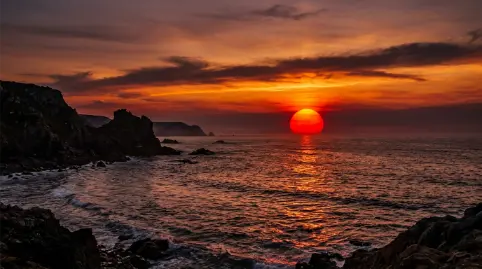
Meaning: The setting sun looked round, red, and slowly descending.
Detailed Explanation: A coin provides a simple visual comparison for the sun’s round shape. The image becomes especially effective when the sun appears deep red near the horizon.
Tone: Simple, vivid, visual.
Examples:
- The sun sank like a red coin behind the distant hills.
- A red sun dropped like a coin into the evening horizon.
- We watched the sun disappear like a red coin beneath the sea.
The Horizon Shone Like a Golden Crown
Meaning: The horizon looked bright, beautiful, and regal.
Detailed Explanation: A crown suggests beauty, importance, and richness. This simile works particularly well when golden sunlight creates a bright line along the horizon.
Tone: Regal, elegant, majestic.
Examples:
- The horizon shone like a golden crown above the dark hills.
- The sunset placed a glow around the mountains like a golden crown.
- The distant skyline sparkled like a golden crown.
The Clouds Were Like Blushing Roses
Meaning: The clouds had soft pink, red, or rosy colors.
Detailed Explanation: Roses provide a familiar image for the warm pink and red shades often seen during sunset. The word “blushing” adds a gentle emotional quality.
Tone: Romantic, gentle, beautiful.
Examples:
- The clouds were like blushing roses scattered across the sky.
- Evening painted the clouds like blushing roses.
- Pink clouds floated above us like blushing roses.
The Evening Sky Was Like a Burning Ember
Meaning: The sky retained a deep red-orange glow.
Detailed Explanation: An ember is a small piece of burning material that continues to glow after a fire weakens. The comparison captures the fading but still powerful warmth of a sunset.
Tone: Fiery, dramatic, intense.
Examples:
- The evening sky was like a burning ember above the ocean.
- The western horizon glowed like a burning ember.
- The last sunlight remained like a burning ember in the clouds.
The Sun Was Like a Lantern on the Horizon
Meaning: The setting sun looked bright and warm against the darker landscape.
Detailed Explanation: A lantern gives off a concentrated, comforting glow. This simile works especially well when the surrounding sky has already begun to darken.
Tone: Cozy, warm, peaceful.
Examples:
- The sun looked like a lantern hanging above the horizon.
- The final sunlight shone like a lantern in the distance.
- The red sun faded like a lantern losing its flame.
The Sky Blazed Like a Furnace
Meaning: The sunset looked extremely bright, hot, and fiery.
Detailed Explanation: A furnace produces intense heat and glowing light. This comparison suits sunsets dominated by strong red, orange, and yellow shades.
Tone: Powerful, dramatic, intense.
Examples:
- The sky blazed like a furnace above the desert.
- Orange clouds burned across a sky like a furnace.
- The western horizon glowed like a furnace at dusk.
The Sunset Was as Bright as a Jewel
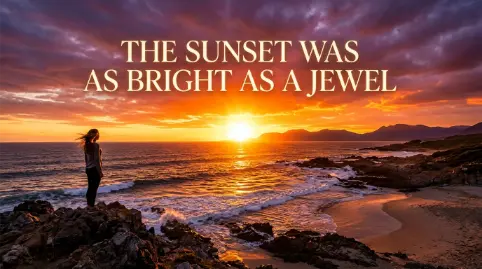
Meaning: The sunset looked brilliant, colorful, and precious.
Detailed Explanation: Jewels reflect light and attract attention with their vivid colors. This simile gives a sunset a sense of beauty and rarity.
Tone: Elegant, vivid, admiring.
Examples:
- The sunset was as bright as a jewel above the sea.
- The horizon glittered like a jewel in the fading light.
- The colorful clouds looked like jewels scattered across the sky.
The Colors Flowed Like a Watercolor Painting
Meaning: The sunset colors blended softly into one another.
Detailed Explanation: Watercolor paintings often feature gentle color transitions. This comparison works well when pink, orange, purple, and gold merge without sharp boundaries.
Tone: Artistic, gentle, dreamy.
Examples:
- Sunset colors flowed like a watercolor painting across the clouds.
- Purple and orange blended like a watercolor painting.
- The sky looked like a watercolor painting washed with evening light.
The Sun Fell Like a Falling Apple
Meaning: The sun seemed to descend naturally and gently toward the horizon.
Detailed Explanation: An apple falling from a tree gives a simple image of downward movement. This simile suits a quiet sunset when the sun seems to drop steadily out of sight.
Tone: Natural, calm, simple.
Examples:
- The sun fell like a falling apple behind the trees.
- We watched the orange sun descend like a falling apple.
- The evening sun dropped like a falling apple beyond the hill.
The Sunset Was Like a Secret Garden
Meaning: The sunset created a magical, beautiful, and mysterious atmosphere.
Detailed Explanation: A secret garden suggests hidden beauty and discovery. This comparison works when a sunset feels unusual, enchanting, or almost unreal.
Tone: Magical, mysterious, dreamy.
Examples:
- The sunset looked like a secret garden in the sky.
- Pink clouds opened above us like a secret garden.
- The evening horizon felt like a secret garden waiting to be discovered.
The Sky Glowed Like a Ruby
Meaning: The sky had a deep red and brilliant appearance.
Detailed Explanation: Rubies are known for their rich red color and shine. This comparison is especially useful for sunsets with strong crimson or scarlet tones.
Tone: Rich, elegant, dramatic.
Examples:
- The sky glowed like a ruby above the dark ocean.
- A red sunset shone like a ruby through the clouds.
- The horizon looked like a giant ruby beneath the fading light.
The Sunset Was as Peaceful as a Sleeping Lake
Meaning: The sunset created a calm, quiet atmosphere.
Detailed Explanation: A sleeping lake suggests stillness and silence. This simile works best for gentle evening scenes with little wind or movement.
Tone: Peaceful, soothing, reflective.
Examples:
- The sunset was as peaceful as a sleeping lake.
- We watched the horizon in a moment as calm as a sleeping lake.
- The evening settled around us like a sleeping lake.
The Clouds Drifted Like Golden Ships
Meaning: The clouds appeared to move slowly through a golden sky.
Detailed Explanation: Ships provide a strong image of large objects moving across a wide surface. The golden color connects the clouds to the warm light of sunset.
Tone: Adventurous, poetic, majestic.
Examples:
- The clouds drifted like golden ships across the evening sky.
- Golden clouds sailed like ships toward the fading sun.
- The horizon looked full of golden ships floating through light.
The Sunset Was Like a Farewell Letter
Meaning: The sunset felt emotional, personal, and connected to saying goodbye.
Detailed Explanation: A farewell letter carries feelings of separation and reflection. This simile works well when the end of the day creates a bittersweet mood.
Tone: Emotional, nostalgic, reflective.
Examples:
- The sunset was like a farewell letter from the day.
- Each fading color felt like a line in a farewell letter.
- The evening disappeared like a farewell letter carried away by the wind.
The Sunset Was Like a Fireplace in the Sky
Meaning: The sunset looked warm, glowing, and comforting.
Detailed Explanation: A fireplace creates warmth and a sense of comfort. This simile works when the sunset contains rich orange and red tones and creates a cozy feeling.
Tone: Cozy, warm, comforting.
Examples:
- The sunset was like a fireplace in the sky.
- Orange clouds gathered around the sun like flames around a fireplace.
- The western horizon glowed like a fireplace on a cold evening.
The Colors Spread Like Ink in Water
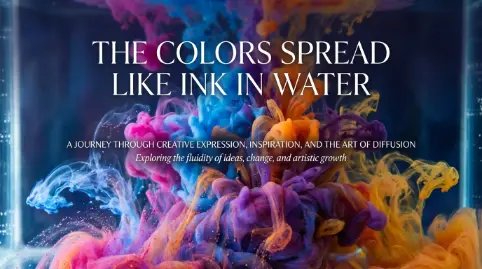
Meaning: Sunset colors gradually expanded and blended across the sky.
Detailed Explanation: Ink spreads smoothly through water, creating changing shapes and soft edges. This comparison is useful for sunsets with dramatic color transitions.
Tone: Artistic, fluid, mysterious.
Examples:
- Purple and orange spread like ink in water across the sky.
- The sunset colors moved like ink in water.
- Crimson light spread like ink in water above the horizon.
The Sunset Was as Gentle as a Mother’s Embrace
Meaning: The sunset created a deeply comforting and tender feeling.
Detailed Explanation: A mother’s embrace represents safety, warmth, and affection. This simile moves beyond physical appearance and focuses on emotional comfort.
Tone: Tender, comforting, emotional.
Examples:
- The sunset was as gentle as a mother’s embrace.
- Golden light touched the valley like a mother’s embrace.
- The quiet evening felt as comforting as a mother’s embrace.
The Sunset Was Like a Dream Slowly Fading
Meaning: The sunset appeared beautiful but temporary.
Detailed Explanation: Dreams can feel vivid while they last and disappear quickly after waking. This comparison captures the short-lived beauty of the setting sun.
Tone: Dreamy, emotional, wistful.
Examples:
- The sunset was like a dream slowly fading.
- The last colors vanished like a dream slowly fading.
- We stood quietly as the sunset disappeared like a dream slowly fading.
The Clouds Shone Like Pieces of Amber
Meaning: The clouds had warm golden-orange highlights.
Detailed Explanation: Amber has a rich yellow-orange color and often catches light beautifully. This simile suits clouds illuminated by low evening sunlight.
Tone: Warm, elegant, glowing.
Examples:
- The clouds shone like pieces of amber.
- Sunset turned the clouds into pieces of amber.
- Golden edges appeared on the clouds like pieces of amber.
The Last Light Was Like a Candle Flame
Meaning: The remaining sunlight looked small, warm, and delicate.
Detailed Explanation: A candle flame represents a soft light that gradually disappears. This comparison works especially well at the final stage of sunset.
Tone: Gentle, intimate, peaceful.
Examples:
- The last light was like a candle flame in the distance.
- The horizon flickered like a candle flame.
- The final golden ray faded like a candle flame.
The Sunset Was Like a Rose Opening in the Sky
Meaning: The sunset gradually revealed beautiful colors like a blooming flower.
Detailed Explanation: A rose opening suggests gradual beauty and transformation. This simile works well when clouds and colors slowly appear as evening develops.
Tone: Romantic, graceful, poetic.
Examples:
- The sunset was like a rose opening in the sky.
- Pink light unfolded like a rose opening in the sky.
- The horizon bloomed like a rose opening in the sky.
The Sunset Was Like a Golden Road to Night
Meaning: The sunset created a glowing path from daylight into darkness.
Detailed Explanation: A road represents a journey from one place to another. Here, the golden sunset becomes a visual and symbolic path between day and night.
Tone: Poetic, reflective, symbolic.
Examples:
- The sunset was like a golden road to night.
- Golden light stretched across the valley like a road to night.
- The horizon became a glowing road to night.
The Sunset Was Like a Quiet Goodbye
Meaning: The sunset created a calm, bittersweet sense of ending.
Detailed Explanation: The day ending can feel similar to saying goodbye to someone. This simile focuses on emotional meaning rather than physical color.
Tone: Bittersweet, calm, reflective.
Examples:
- The sunset was like a quiet goodbye to another day.
- The fading light felt like a quiet goodbye.
- We watched the sunset like a quiet goodbye before heading home.
Top 10 Similes For Sunsets
| Simile | Meaning | Tone |
| The sunset was like molten gold. | It looked rich, bright, and golden. | Majestic |
| The sunset glowed like a river of fire. | Fiery colors flowed across the sky. | Dramatic |
| The sky was like a painter’s canvas. | The sky displayed artistic colors and patterns. | Artistic |
| The sunset spread like honey. | Warm golden light covered the landscape slowly. | Comforting |
| The sunset was like a velvet curtain. | The day seemed to close with elegance. | Theatrical |
| The sky glowed like a ruby. | The sky had a deep, brilliant red color. | Elegant |
| The sunset was like a quiet goodbye. | The evening created a bittersweet sense of ending. | Reflective |
| The sunset was like a firework frozen in time. | The sky looked spectacular and colorful. | Exciting |
| The last rays were like golden threads. | Thin rays stretched delicately across the scene. | Peaceful |
| The sunset was like a golden bridge. | It connected daylight with night. | Symbolic |
Final Tip: The best Similes For Sunsets do not simply make a sentence sound fancy. They help readers see, feel, and remember the scene. Choose a comparison that matches the exact mood you want to create. A sunset can resemble molten gold when you want grandeur, a quiet goodbye when you want emotion, or a painter’s canvas when you want artistic beauty. By selecting specific, meaningful comparisons and using them naturally, you can make poems, stories, essays, captions, and creative descriptions much more vivid. Strong figurative language works because it creates a clear connection between familiar images and the scene you want readers to imagine.
Conclusion
Sunsets offer endless inspiration for creating beautiful, expressive, and memorable descriptions. By using creative comparisons, you can capture the changing colors, golden light, peaceful atmosphere, and emotional beauty of the evening sky. Whether you want to describe a breathtaking horizon, a fiery sunset, or a calm and dreamy evening, the right words can make your writing more engaging and meaningful.
Throughout this collection, Similes For Sunsets provide fresh ways to bring your imagination to life and help readers visualize each moment. Use these examples in poems, stories, essays, captions, and everyday conversations to add depth and creativity to your writing. Keep experimenting with different comparisons, and turn every sunset description into a vivid picture worth remembering.
FAQs
What are Similes For Sunsets?
Similes For Sunsets are creative comparisons that describe a sunset by connecting it to something familiar, usually with words such as “like” or “as.” They can compare sunset colors, brightness, movement, warmth, or mood to objects and experiences. For example, “The sunset glowed like molten gold” helps readers imagine a rich, golden evening sky.
Why should I use Similes for Sunsets in writing?
Using Similes for Sunsets makes descriptions more vivid and memorable. A simple sentence can tell readers what a sunset looks like, while a well-chosen simile helps them visualize and feel the scene. Similes can also establish mood, strengthen imagery, add personality to your writing, and make poems, stories, essays, and captions more engaging.
What is a good example of a sunset simile?
A strong example is, “The sunset spread across the sky like molten gold.” This comparison clearly communicates the sunset’s warm, glowing color while creating a rich visual image. Other effective comparisons can focus on fire, jewels, paintings, flowers, water, or familiar emotions. The best choice depends on the mood and scene you want to create.
How do I create my own sunset similes?
Start by observing one noticeable feature of the sunset, such as its color, shape, brightness, movement, or mood. Then think of a familiar object that shares that quality. Connect the two with “like” or “as.” For example, if the sunset looks deep red, you might compare it to a ruby, ember, rose, or glowing coal.
Can sunset similes be used in poetry?
Yes, sunset similes work especially well in poetry because they create strong imagery in a small amount of space. A carefully chosen comparison can communicate color, emotion, atmosphere, and movement without requiring lengthy description. Poets can use gentle, romantic, dramatic, mysterious, or imaginative similes depending on the feeling they want the poem to create.
What makes a sunset simile effective?
An effective sunset simile creates a clear connection between the sunset and something readers already understand. It should feel natural, specific, and relevant to the scene. Strong comparisons often highlight one main quality, such as golden color, fiery brightness, peacefulness, or fading light. Original comparisons can also help your writing stand out.
Are Similes For Sunsets suitable for creative writing?
Absolutely. Similes For Sunsets can strengthen creative writing by adding visual detail and emotional depth. They work naturally in short stories, novels, poems, personal essays, travel writing, and descriptive passages. A sunset simile can also help establish a scene’s atmosphere, show a character’s emotions, or signal a transition from one part of the story to another.
What is the difference between a sunset simile and a sunset metaphor?
A simile directly signals a comparison with words such as “like” or “as.” For example, “The sunset was like a golden blanket” is a simile. A metaphor makes the comparison directly, such as “The sunset was a golden blanket.” Both devices create imagery, but similes make the comparison more explicit and often easier for beginners to understand.
Can I use sunset similes in captions?
Yes, sunset similes can make captions more creative without requiring a long description. A short comparison such as “The horizon glowed like a hidden fireplace” gives readers a strong visual image while keeping the caption concise. Choose a simile that matches the photograph’s colors and mood so the words naturally complement the image.
How can I avoid cliché sunset similes?
To avoid clichés, focus on a specific detail that makes your sunset unique. Notice unusual cloud shapes, reflections, color combinations, shadows, or the way light touches the landscape. Then create a comparison based on that observation. Instead of relying on common phrases, try fresh images from everyday objects, nature, art, memories, or emotions.

