
Stars have a special way of capturing our imagination and making the night sky feel magical. From tiny sparkling lights to glowing diamonds scattered across the darkness, they inspire beautiful descriptions and creative expressions. Similes to Describe Stars help writers bring these celestial wonders to life through colorful comparisons that make their words more vivid, emotional, and memorable. Whether you are writing a poem, story, school assignment, social media caption, or creative passage, the right simile can help you express the beauty, brightness, and mystery of stars. In this guide, you’ll discover 50 unique examples with simple meanings to inspire your creativity and make your writing shine.
Definition of Similes To Describe Stars
Similes to Describe Stars are comparisons that use words such as “like” or “as” to connect stars with familiar objects, feelings, places, or ideas. They help readers imagine the appearance, brightness, movement, mood, or emotional effect of stars more clearly.
For example, saying “The stars were like scattered diamonds” gives the reader a stronger visual picture than simply saying “The stars were bright.” A simile makes the description more colorful while keeping the comparison clear. Cambridge Dictionary similarly defines a simile as an expression that compares one thing with another using “like” or “as.”
What Is a Simile?
A simile is a figure of speech that directly compares two different things. Writers commonly use “like” or “as” to show the comparison. The purpose is not to say that two things are literally identical, but to highlight a shared quality such as brightness, beauty, stillness, mystery, or movement.
Example
- The stars glittered like diamonds.
- The night sky was as dark as velvet.
- Tiny stars appeared like silver sparks.
- The brightest star shone like a lantern.
Why Use Similes To Describe Stars in Writing?
- Create vivid imagery: Similes help readers picture the night sky more easily.
- Show emotion: A star can feel comforting, lonely, magical, hopeful, or mysterious.
- Make descriptions memorable: Creative comparisons stay in the reader’s mind.
- Add poetic beauty: Star similes can make ordinary sentences sound lyrical.
- Strengthen storytelling: A well-chosen comparison can establish the mood of an entire scene.
- Make abstract ideas easier: Stars can represent hope, dreams, guidance, distance, or wonder.
- Improve creative writing: Similes give students, poets, and storytellers more descriptive choices.
- Avoid repetitive language: Instead of repeatedly using “bright” or “beautiful,” you can create fresh comparisons.
Types of Similes
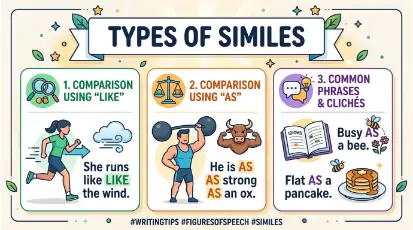
Star similes can focus on different qualities. Some emphasize appearance, while others focus on emotion, atmosphere, movement, or imagination. Choosing the right type depends on the mood and purpose of your writing.
Visual Similes
Visual similes compare stars with things that readers can easily picture. They work especially well when describing brightness, color, shape, or arrangement.
Example
- The stars looked like diamonds scattered across black silk.
- The stars were like tiny pearls sewn into the sky.
- The bright star glowed like a silver bead in the darkness.
- The stars appeared like sparks scattered across velvet.
Emotional Similes
Emotional similes connect stars with feelings or human experiences. They can make a night scene feel peaceful, hopeful, lonely, romantic, or nostalgic.
Example
- The stars felt like tiny reminders that hope still existed.
- Their gentle glow was like a friend sitting quietly beside me.
- The lonely stars looked like distant memories refusing to disappear.
- The night stars were like small promises floating above the world.
Imaginative and Poetic Similes
These similes use creative ideas to give stars a magical or unusual identity. They work well in poems, fantasy stories, novels, and descriptive writing.
Example
- The stars danced like fairies celebrating above the clouds.
- The sky glittered like a crown worn by the night.
- The stars floated like golden wishes waiting to be made.
- The heavens sparkled like a secret kingdom beyond reach.
Movement-Based Similes
Movement-based similes describe stars that appear to twinkle, flicker, shimmer, or shift as viewers watch the sky.
Example
- The stars flickered like candles in a distant window.
- The constellations seemed to move like dancers across a giant stage.
- Tiny stars trembled like fireflies caught in a gentle breeze.
Writing Tips and Common Mistakes
Useful Tips
- Choose a comparison that matches the mood of your scene.
- Focus on one strong quality rather than several unrelated qualities.
- Use familiar images when writing for younger readers.
- Use unusual comparisons when you want a poetic or memorable effect.
- Consider color, brightness, distance, movement, and emotion.
- Avoid forcing “like” or “as” into a sentence just to create a simile.
- Read the sentence aloud to check whether the comparison sounds natural.
- Keep your simile connected to the surrounding scene.
- Match your word choice to your audience.
- Use fresh comparisons instead of repeating common phrases.
Common Mistakes to Avoid

- Using a weak comparison: “The stars were like nice lights” gives little detail.
- Choosing an unrelated image: A comparison should share a meaningful quality with stars.
- Overloading the sentence: Too many similes can make writing confusing.
- Repeating the same comparison: Using “diamonds” in every paragraph can feel predictable.
- Mixing comparisons: Avoid sentences such as “The stars were like diamonds and a river of candles flying.”
- Explaining too much: Let the image create the effect instead of explaining every detail.
- Using clichés without purpose: Familiar comparisons can work, but fresh wording often creates stronger imagery.
- Forgetting the mood: A playful comparison may not fit a sad or dramatic scene.
30 Similes To Describe Stars (Main Section)
Stars Like Diamonds Scattered Across Velvet
Meaning: The stars appear bright, numerous, and beautiful against a dark sky.
Detailed Explanation: This comparison emphasizes the sharp brightness of stars and the deep darkness surrounding them. It creates a classic but elegant nighttime image.
Tone: Elegant, poetic, romantic.
Examples:
- The stars glittered like diamonds scattered across velvet.
- Above the silent town, stars shone like diamonds on black velvet.
- The winter sky held stars like diamonds scattered across a dark cloth.
Stars Like Silver Sparks From a Distant Fire
Meaning: The stars look like tiny flashes of glowing light.
Detailed Explanation: This simile highlights the small, energetic appearance of stars against the darkness.
Tone: Vivid, energetic, imaginative.
Examples:
- Stars flickered as silver sparks from a distant fire.
- The sky was filled with stars like sparks drifting from an unseen flame.
- Silver stars scattered across the darkness like sparks from a heavenly fire.
Stars Like Tiny Lanterns in the Sky
Meaning: The stars appear to illuminate the darkness like small lamps.
Detailed Explanation: The comparison makes the night sky seem warmer and more welcoming.
Tone: Warm, comforting, peaceful.
Examples:
- The stars glowed like tiny lanterns in the sky.
- Above the road, stars shone like lanterns guiding travelers home.
- The quiet village rested beneath stars like tiny lamps.
Stars Like Pearls Sewn Into Midnight
Meaning: The stars appear small, precious, and carefully arranged across the night.
Detailed Explanation: This image compares the sky to dark fabric decorated with shining pearls.
Tone: Luxurious, poetic, graceful.
Examples:
- The stars looked like pearls sewn into midnight.
- Pearls of light appeared across the sky like stars on a dark gown.
- The moon watched over stars like pearls sewn into black silk.
Stars Like Fireflies Trapped in Darkness
Meaning: The stars resemble small glowing insects floating in a dark space.
Detailed Explanation: This comparison creates a lively and magical picture of the night.
Tone: Magical, playful, dreamy.
Examples:
- The stars twinkled like fireflies trapped in darkness.
- Above the meadow, stars shimmered like fireflies caught in a giant night.
- The sky looked alive with stars like fireflies floating far away.
Stars Like Golden Crumbs on a Dark Table
Meaning: The stars look like tiny golden pieces scattered across a dark surface.
Detailed Explanation: This unusual comparison gives the sky a simple, imaginative quality.
Tone: Whimsical, creative, playful.
Examples:
- Stars dotted the sky like golden crumbs on a dark table.
- The scattered stars looked like crumbs left across midnight.
- The children imagined the stars as golden crumbs dropped by the moon.
Stars Like Candle Flames in a Silent Chapel
Meaning: The stars create a peaceful and sacred feeling.
Detailed Explanation: Their soft light is compared with the gentle glow of candles in a quiet place.
Tone: Peaceful, solemn, spiritual.
Examples:
- The stars glowed like candle flames in a silent chapel.
- Above the sleeping village, stars burned like distant candles.
- The quiet heavens held stars like tiny flames in a sacred room.
Stars Like Eyes Watching From the Dark
Meaning: The stars seem to observe the world from above.
Detailed Explanation: This comparison can make a nighttime scene feel mysterious or slightly eerie.
Tone: Mysterious, dramatic, suspenseful.
Examples:
- The stars stared like countless eyes watching from the dark.
- Above the forest, stars appeared like silent eyes.
- He felt the stars watching him like patient eyes in the darkness.
Stars Like Glitter Spilled Across Black Silk
Meaning: The stars look numerous, shiny, and scattered.
Detailed Explanation: This comparison creates a rich visual image of sparkling points against a dark background.
Tone: Glamorous, vivid, poetic.
Examples:
- Stars shimmered like glitter spilled across black silk.
- The heavens sparkled as glitter scattered over dark fabric.
- The night looked like black silk covered with glittering stars.
Stars Like Hopeful Wishes Above the World
Meaning: The stars symbolize hope, dreams, and possibilities.
Detailed Explanation: This simile moves beyond appearance and gives the stars an emotional meaning.
Tone: Hopeful, inspirational, sentimental.
Examples:
- The stars floated like hopeful wishes above the world.
- She looked upward at stars like wishes waiting to come true.
- The bright heavens seemed filled with stars like tiny promises of tomorrow.
Stars Like Frost on a Winter Window
Meaning: The stars appear delicate, scattered, and sparkling.
Detailed Explanation: This comparison gives the sky a cold, crisp, and fragile appearance.
Tone: Delicate, wintry, peaceful.
Examples:
- The stars glittered like frost on a winter window.
- Tiny stars appeared like icy patterns across the night.
- The cold sky held stars like frost beneath moonlight.
Stars Like Bells Ringing Without Sound
Meaning: The stars seem to create an invisible sense of beauty or wonder.
Detailed Explanation: This imaginative comparison connects visual light with the feeling of sound.
Tone: Poetic, mysterious, contemplative.
Examples:
- The stars shone like bells ringing without sound.
- Above the silent fields, the stars seemed like distant bells.
- Their light felt like bells ringing softly inside the darkness.
Stars Like Coins Scattered by the Moon
Meaning: The stars look like small, valuable objects scattered across the sky.
Detailed Explanation: This simile gives the moon a playful role and makes the sky feel like a treasure-filled scene.
Tone: Whimsical, playful, imaginative.
Examples:
- The stars looked like coins the moon zerddvvzb.
- Children imagined the stars as silver coins tossed across heaven.
- The moon seemed to have dropped stars like coins over the sleeping earth.
Stars Like Tiny Windows Into Eternity
Meaning: The stars appear to offer glimpses into something vast and timeless.
Detailed Explanation: This comparison gives the night sky a philosophical and mysterious quality.
Tone: Reflective, profound, mysterious.
Examples:
- The stars looked like tiny windows into eternity.
- She stared through the stars like windows opening onto another world.
- Each star seemed like a small window into a timeless universe.
Stars Like Snowflakes Made of Light
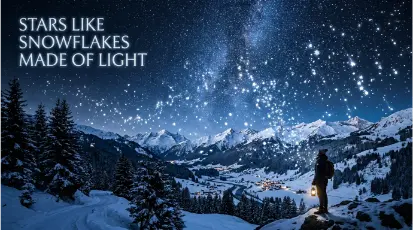
Meaning: The stars appear delicate, numerous, and luminous.
Detailed Explanation: This image combines the softness of snowflakes with the brightness of stars.
Tone: Gentle, magical, delicate.
Examples:
- The stars fell across the sky like snowflakes made of light.
- The heavens shimmered with stars like glowing snowflakes.
- Each star looked like a snowflake carved from pure light.
Stars Like Jewels on a Queen’s Crown
Meaning: The stars make the sky look royal and magnificent.
Detailed Explanation: The comparison emphasizes beauty, richness, and grandeur.
Tone: Majestic, elegant, regal.
Examples:
- The stars glittered like jewels on a queen’s crown.
- The night wore stars like precious jewels.
- The heavens looked like a royal crown covered in stars.
Stars Like Tiny Beacons on a Black Ocean
Meaning: The stars look like guiding lights above a vast darkness.
Detailed Explanation: The sky becomes an ocean, while the stars act as distant signals of direction and hope.
Tone: Adventurous, hopeful, cinematic.
Examples:
- The stars shone like tiny beacons on a black ocean.
- Travelers followed the stars like beacons across the endless night.
- Above the desert, stars glowed like distant lights on a dark sea.
Stars Like Music Written in Light
Meaning: The arrangement of stars creates a feeling of harmony and beauty.
Detailed Explanation: This simile connects the visual pattern of stars with the emotional beauty of music.
Tone: Artistic, poetic, romantic.
Examples:
- The stars looked like music written in light.
- Constellations stretched across the heavens like melodies.
- She watched stars like notes written across a celestial song.
Stars Like Secrets Whispered by the Universe
Meaning: The stars seem mysterious and full of hidden knowledge.
Detailed Explanation: This comparison gives the night sky a sense of mystery and unanswered questions.
Tone: Mysterious, thoughtful, philosophical.
Examples:
- The stars glittered like secrets whispered by the universe.
- Every star seemed like a secret waiting to be understood.
- He stared upward at stars like quiet messages from space.
Stars Like Embers Left From Heaven’s Fire
Meaning: The stars appear like glowing remnants of a huge celestial flame.
Detailed Explanation: This simile makes the sky feel dramatic, ancient, and powerful.
Tone: Dramatic, fiery, imaginative.
Examples:
- The stars glowed like embers left from heaven’s fire.
- Tiny stars flickered like embers floating after a great celestial flame.
- The dark sky held stars like glowing pieces of an ancient fire.
Stars Like Silver Needles Piercing the Night
Meaning: The stars appear sharp, bright, and distinct against darkness.
Detailed Explanation: This comparison emphasizes the contrast between brilliant points of light and the dark sky.
Tone: Dramatic, striking, intense.
Examples:
- Stars pierced the darkness like silver needles.
- The brightest stars looked like needles of light in the night.
- Silver stars appeared like tiny points cutting through the darkness.
Stars Like Butterflies Dancing Above the Earth
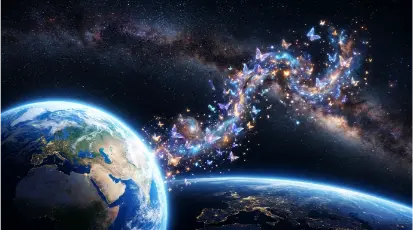
Meaning: The stars seem lively, delicate, and graceful.
Detailed Explanation: This comparison gives the sky movement and a sense of gentle beauty.
Tone: Dreamy, graceful, whimsical.
Examples:
- The stars danced like butterflies above the earth.
- Tiny lights moved across the imagination like celestial butterflies.
- The heavens seemed alive with stars like butterflies in a midnight garden.
Stars Like Distant Campfires on a Mountain
Meaning: The stars look like small warm lights far away.
Detailed Explanation: This simile creates a feeling of distance while keeping the stars comforting and familiar.
Tone: Warm, peaceful, nostalgic.
Examples:
- The stars glowed like distant campfires on a mountain.
- Far above us, stars flickered like tiny fires on a dark ridge.
- The quiet heavens looked like mountains dotted with distant campfires.
Stars Like Whispering Candles in a Dream
Meaning: The stars appear soft, mysterious, and dreamlike.
Detailed Explanation: This comparison blends gentle light with the quiet feeling of a dream.
Tone: Dreamy, romantic, peaceful.
Examples:
- The stars flickered like whispering candles in a dream.
- The sky glowed with stars like candles from an old dream.
- Above the sleeping fields, stars burned like quiet dream candles.
Stars Like Silver Dust on a Wizard’s Cloak
Meaning: The stars make the sky look magical and fantastical.
Detailed Explanation: This comparison works particularly well in fantasy writing and playful descriptions.
Tone: Magical, whimsical, fantastical.
Examples:
- The stars glittered like silver dust on a wizard’s cloak.
- The night looked like a wizard’s robe covered in stars.
- Silver stars scattered across the heavens like magical dust.
Stars Like Tiny Windows Glowing in a Cosmic City
Meaning: The stars resemble distant illuminated windows in an enormous celestial place.
Detailed Explanation: This modern comparison makes the universe feel like a vast city filled with distant lights.
Tone: Modern, imaginative, cinematic.
Examples:
- The stars looked like tiny windows glowing in a cosmic city.
- The night resembled a giant city with stars shining like windows.
- From Earth, the stars appeared like distant windows in space.
Stars Like Old Friends Waiting in the Dark
Meaning: The stars provide a feeling of familiarity and comfort.
Detailed Explanation: This emotional comparison presents stars as quiet companions that return night after night.
Tone: Comforting, nostalgic, sentimental.
Examples:
- The stars appeared like old friends waiting in the dark.
- She looked upward at stars like familiar friends.
- After a difficult day, the stars felt like old friends returning home.
Stars Like Quiet Guards Around the Moon
Meaning: The stars seem to surround and protect the moon.
Detailed Explanation: This comparison gives the sky a gentle sense of protection and companionship.
Tone: Protective, peaceful, majestic.
Examples:
- The stars stood like quiet guards around the moon.
- Bright stars surrounded the moon like silent guardians.
- The moon rested beneath stars like loyal guards.
Stars Like Hidden Treasures Revealed by Night
Meaning: The stars seem precious discoveries that appear after darkness arrives.
Detailed Explanation: This comparison emphasizes the wonder of seeing stars emerge when daylight fades.
Tone: Adventurous, wondrous, mysterious.
Examples:
- The stars appeared like hidden treasures revealed by night.
- Darkness uncovered stars like jewels buried beneath daylight.
- Each star emerged like a treasure discovered in the heavens.
Stars Like Hopeful Eyes Opening After Sunset
Meaning: The stars seem to awaken as darkness arrives.
Detailed Explanation: This simile gives stars a living quality and connects them with hope after darkness.
Tone: Hopeful, emotional, uplifting.
Examples:
- The stars appeared like hopeful eyes opening after sunset.
- One by one, stars emerged like bright eyes in the evening.
- The dark sky awakened with stars like hopeful eyes.
Stars Like Little Stories Written in the Sky
Meaning: The stars seem to contain stories, memories, and mysteries.
Detailed Explanation: This comparison works well when writing about imagination, history, or the meaning people attach to constellations.
Tone: Storytelling, thoughtful, poetic.
Examples:
- The stars looked like little stories written in the sky.
- Every constellation seemed like a story waiting to be read.
- He imagined the stars as stories written across the heavens.
Top 10 Similes To Describe Stars
| Simile | Meaning | Tone |
| Stars like diamonds scattered across velvet | Bright, beautiful stars against a dark sky | Elegant, poetic |
| Stars like tiny lanterns in the sky | Stars provide gentle light | Warm, comforting |
| Stars like glitter spilled across black silk | Many sparkling stars spread across darkness | Glamorous, vivid |
| Stars like hopeful wishes above the world | Stars symbolize dreams and hope | Inspirational, emotional |
| Stars like music written in light | Stars create visual harmony and beauty | Artistic, poetic |
| Stars like tiny beacons on a black ocean | Stars resemble guiding lights | Adventurous, hopeful |
| Stars like secrets whispered by the universe | Stars represent mystery and hidden knowledge | Mysterious, thoughtful |
| Stars like old friends waiting in the dark | Stars provide comfort and familiarity | Nostalgic, comforting |
| Stars like tiny poems scattered across heaven | Stars appear meaningful and artistic | Romantic, poetic |
| Stars like wishes scattered before they could be spoken | Stars represent unspoken dreams | Sentimental, hopeful |
The strongest Similes To Describe Stars do more than tell readers that stars look bright. They create a picture, establish a mood, and help readers feel the scene. Visual comparisons such as diamonds, pearls, sparks, and lanterns work well for simple descriptions, while emotional comparisons involving hope, memories, wishes, and friendship can add deeper meaning. For poems and imaginative stories, unusual comparisons such as “music written in light” or “secrets whispered by the universe” can make your writing stand out. The best simile depends on what you want the reader to see and feel. Choose one clear quality, keep the comparison natural, and let the image strengthen your message rather than overwhelm it.
Conclusion
Looking up at a star-filled sky can inspire a sense of wonder, beauty, and imagination. The right comparison can turn a simple description of shining stars into something magical and unforgettable. Whether you want to describe stars as sparkling diamonds, glowing lanterns, or tiny silver sparks, creative similes help bring your ideas to life.
Similes to Describe Stars give writers fresh ways to express the beauty of the night sky, capture different moods, and make their words more engaging. In this guide, you’ll discover unique examples, simple meanings, and creative comparisons to help you write beautiful poems, stories, school assignments, and memorable descriptions with confidence.
FAQs
What are similes to describe stars?
Similes to describe stars are comparisons that use words such as “like” or “as” to explain what stars look, feel, or seem like. They can compare stars with diamonds, pearls, lanterns, sparks, wishes, or other familiar images. These comparisons make descriptions more vivid and help readers imagine the beauty, brightness, and mood of a starry sky.
What is a good simile for stars?
A good simile for stars is “The stars were like diamonds scattered across velvet.” This comparison clearly shows bright stars against a dark sky. Other effective choices include “stars like tiny lanterns,” “stars like silver sparks,” and “stars like pearls sewn into midnight.” The best option depends on whether you want your writing to feel poetic, peaceful, magical, or dramatic.
How do you describe stars creatively?
You can describe stars creatively by comparing them with familiar objects, emotions, sounds, or experiences. Think about their brightness, color, distance, movement, and effect on people. For example, stars can look like scattered jewels or feel like old friends waiting in the darkness. A fresh comparison can make even a simple night-sky description more memorable.
Why are similes useful when describing stars?
Similes make descriptions of stars more visual and engaging. Rather than using basic words such as “bright” or “beautiful,” a simile gives readers a specific image they can picture. Comparing stars to diamonds, lanterns, pearls, or sparks can also establish a particular mood. This makes similes especially useful in poetry, storytelling, creative writing, and descriptive essays.
What is a poetic simile for stars?
A poetic simile for stars is “The stars looked like tiny poems scattered across heaven.” It connects the visual beauty of stars with the beauty of language. Other poetic comparisons can describe stars as music written in light, wishes floating above the world, or secrets whispered by the universe. Such expressions work especially well in poems and reflective writing.
Can similes make star descriptions more emotional?
Yes, similes can make descriptions of stars much more emotional. A comparison such as “The stars looked like old friends waiting in the dark” creates feelings of comfort and nostalgia. Similarly, “stars like wishes” can suggest hope, while “stars like frozen tears” can create sadness. The emotional effect depends on the comparison and the context surrounding it.
What is a simple simile for stars for students?
A simple simile for students is “The stars twinkled like diamonds.” It is easy to understand and clearly connects the brightness of stars with the sparkle of diamonds. Students can also use simple comparisons such as “The stars were like tiny lights,” “The stars shone like candles,” or “The stars glittered like jewels” in descriptive writing.
How can I avoid clichés when using star similes?
To avoid clichés, move beyond familiar comparisons such as diamonds and jewels and focus on unexpected but meaningful images. You might describe stars as tiny windows into eternity, bright footprints across darkness, or music written in light. Make sure the comparison shares a clear quality with stars. A fresh image should feel natural rather than unusual simply for the sake of being different.
What tone can similes about stars create?
Star similes can create many different tones depending on the comparison. Diamonds and jewels can create an elegant tone, while lanterns can feel warm and comforting. Wishes can create a hopeful mood, secrets can feel mysterious, and frozen tears can create a sad atmosphere. Choosing the right comparison helps you control the emotional response your writing creates.
How can I use star similes in a sentence?
Use a star simile naturally within a sentence by connecting the star with another image using “like” or “as.” For example, “The stars glittered as silver sparks across the dark sky.” You can place the simile at the beginning, middle, or end of a sentence. Choose a comparison that supports the scene instead of distracting from your main idea.

